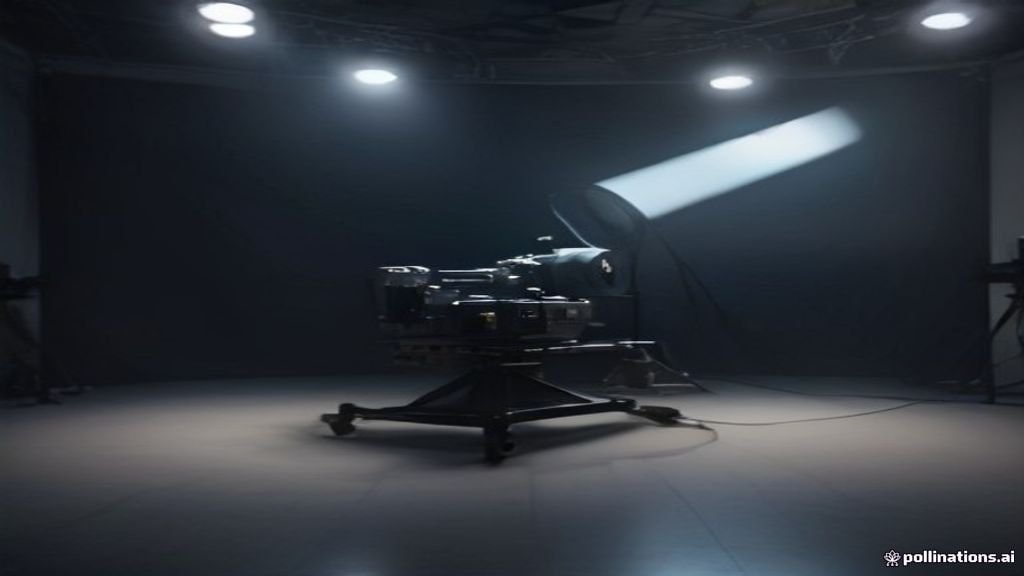
Effective commercial video production is rarely the result of spontaneous creativity on set. Instead, it is the product of meticulous planning and strategic resource allocation long before the cameras begin to roll. For brands and agencies, the pre-production phase represents the most critical opportunity to mitigate risks, manage budgets, and ensure the final output aligns with the original marketing objectives.
In the professional landscape of Islamabad and the wider region, navigating the logistical challenges of high-end shoots requires a structured approach. This article examines the essential components of the pre-production process, from budgeting frameworks to technical readiness, providing a roadmap for successful commercial execution.
Key takeaways
- Detailed storyboarding and shot lists prevent time wastage and ensure all creative requirements are met during the shoot.
- A transparent budget breakdown allows for better prioritization of resources between talent, equipment, and locations.
- Technical scouts and studio preparations are essential to avoid unforeseen delays related to lighting, sound, or power.
- Early collaboration between the production and post-production teams ensures a seamless transition and faster delivery times.
The Strategic Value of Detailed Pre-Production
Pre-production is the phase where the creative vision is translated into a logistical reality. It begins with a finalized script and a locked concept. Without a firm script, budgeting becomes speculative, often leading to cost overruns. Once the script is approved, the production team develops a storyboard and a comprehensive shot list. These documents serve as the primary reference for the Director and the Director of Photography (DP).
A well-constructed shot list allows the production manager to create an efficient shooting schedule. In professional video production services, time is the most expensive commodity. Grouping shots by location, lighting setup, or talent availability can save hours of production time, directly impacting the bottom line. This phase also involves securing necessary permits, which is a vital step for any on-location shoot in urban areas like Islamabad.
Precision in pre-production is the only reliable safeguard against budget overruns and creative compromises during the shoot.
Budgeting Frameworks for Commercial Shoots
Budgeting for a commercial requires a granular understanding of both fixed and variable costs. A common mistake is allocating too much of the budget to the shoot days while neglecting the requirements of post-production or talent management. A professional budget should account for every detail, from the daily rate of the gaffer to the cost of catering and equipment insurance.
When reviewing a production budget, it is helpful to categorize expenses into three main areas: personnel, equipment, and logistics. Personnel costs include the creative leads and the technical crew. Equipment costs cover cameras, lenses, lighting, and grip gear. Logistics encompass location fees, transportation, and studio rentals. The following table compares the logistical considerations for different filming environments.
| Factor | On-Location Shoot | Studio Rental |
|---|---|---|
| Lighting Control | Dependent on weather and time of day. | Full control over artificial lighting environments. |
| Sound Isolation | High risk of ambient noise and interruptions. | Controlled acoustic environments for clean audio. |
| Set Construction | Limited by the existing architecture. | High flexibility for custom set builds and props. |
| Logistical Complexity | Requires permits, transport, and site management. | Centralized facilities with integrated power and grip. |
Crew Roles and Resource Allocation
The composition of a production crew depends heavily on the complexity of the project. For a high-end commercial, the core team usually includes a Director, a DP, a Producer, and a Production Designer. Each of these roles has a specific set of responsibilities during pre-production. The Production Designer, for instance, is responsible for the visual environment, sourcing props, and ensuring the color palette matches the brand guidelines.
On the technical side, the DP works with the Gaffer to plan the lighting setups. This collaboration is essential for maintaining a consistent look across different scenes. In many cases, utilizing a dedicated studio and stage rental facility simplifies this process, as these spaces often provide high-amperage power circuits and overhead rigging points that are not available in standard office or residential locations.
For projects involving specialized requirements, such as high-quality audio for interviews or voiceovers, the sound recordist must be involved in the location scout. Identifying potential acoustic issues early allows the team to plan for sound dampening or to move the recording to a dedicated podcast and voiceover suite if the environment is too noisy.
Technical Specifications and Equipment Selection
Selecting the right equipment is not merely about choosing the newest camera; it is about choosing the tool that fits the delivery requirements and the aesthetic of the campaign. For example, a project destined for social media may prioritize high-frame-rate capabilities for slow-motion, while a television commercial may require higher dynamic range and specific color science.
Modern workflows often utilize systems from manufacturers like Blackmagic Design to maintain a high level of image quality while ensuring the files are manageable for the editorial team. During pre-production, the technical lead must define the following:
- Resolution and Aspect Ratio: Whether the project is 4K, 6K, or vertical for mobile platforms.
- Color Pipeline: Establishing a LUT (Look Up Table) early to ensure the director and client see a representative image on set.
- Data Management: Planning for on-set backups and the transfer of footage to the post-production house.
- Lens Selection: Choosing between anamorphic lenses for a cinematic look or sharp primes for a clean, modern aesthetic.
Integrating Post-Production Early
One of the most frequent causes of project delays is a lack of communication between the production and post-production teams. To avoid this, the lead editor should be consulted during the planning phase. This ensures that the footage is captured in a format that integrates easily into the chosen editing software, such as Adobe Premiere Pro or DaVinci Resolve.
The post-production team can also advise on visual effects (VFX) requirements. If a shot requires green screen replacement or complex motion graphics, the on-set team must capture specific tracking markers or reference plates. Neglecting these technical requirements during the shoot can significantly increase the cost and time required during the finishing stages. Reviewing a studio's previous commercial work can often provide insights into how they handle these technical handoffs.
Location Scouting and Technical Readiness
A technical scout is a mandatory step in the pre-production of any professional commercial. This involves the Director, DP, and Gaffer visiting the chosen location to identify potential challenges. They look for the direction of natural light, the proximity of power outlets, and any potential safety hazards. For indoor shoots, the height of the ceiling and the weight-bearing capacity of the floors are critical considerations for heavy equipment.
In addition to the physical environment, the scout must consider the logistical needs of the crew and talent. This includes areas for hair and makeup, wardrobe changes, and a quiet space for the client to monitor the feed. If a location lacks these amenities, the production must budget for portable solutions. This is why many brands prefer the controlled environment of a professional studio, where these facilities are integrated into the space.
Finally, the pre-production phase concludes with a Pre-Production Meeting (PPM). This is the final alignment between the agency, the client, and the production company. During the PPM, every aspect of the shoot is reviewed, from the storyboard and talent selection to the wardrobe and the minute-by-minute schedule. This ensures that everyone is in agreement before the significant financial investment of the shoot days begins.
Successful commercial video production is built on a foundation of clear communication and technical foresight. By prioritizing the pre-production phase, brands can ensure their creative vision is realized efficiently and to the highest professional standards. If you are planning a commercial project and need a partner to help navigate the complexities of production and logistics, get in touch with our team today.
Planning your next production? Tell us about your project and our team will help you shape the shoot, the edit and the final delivery.
Start your project